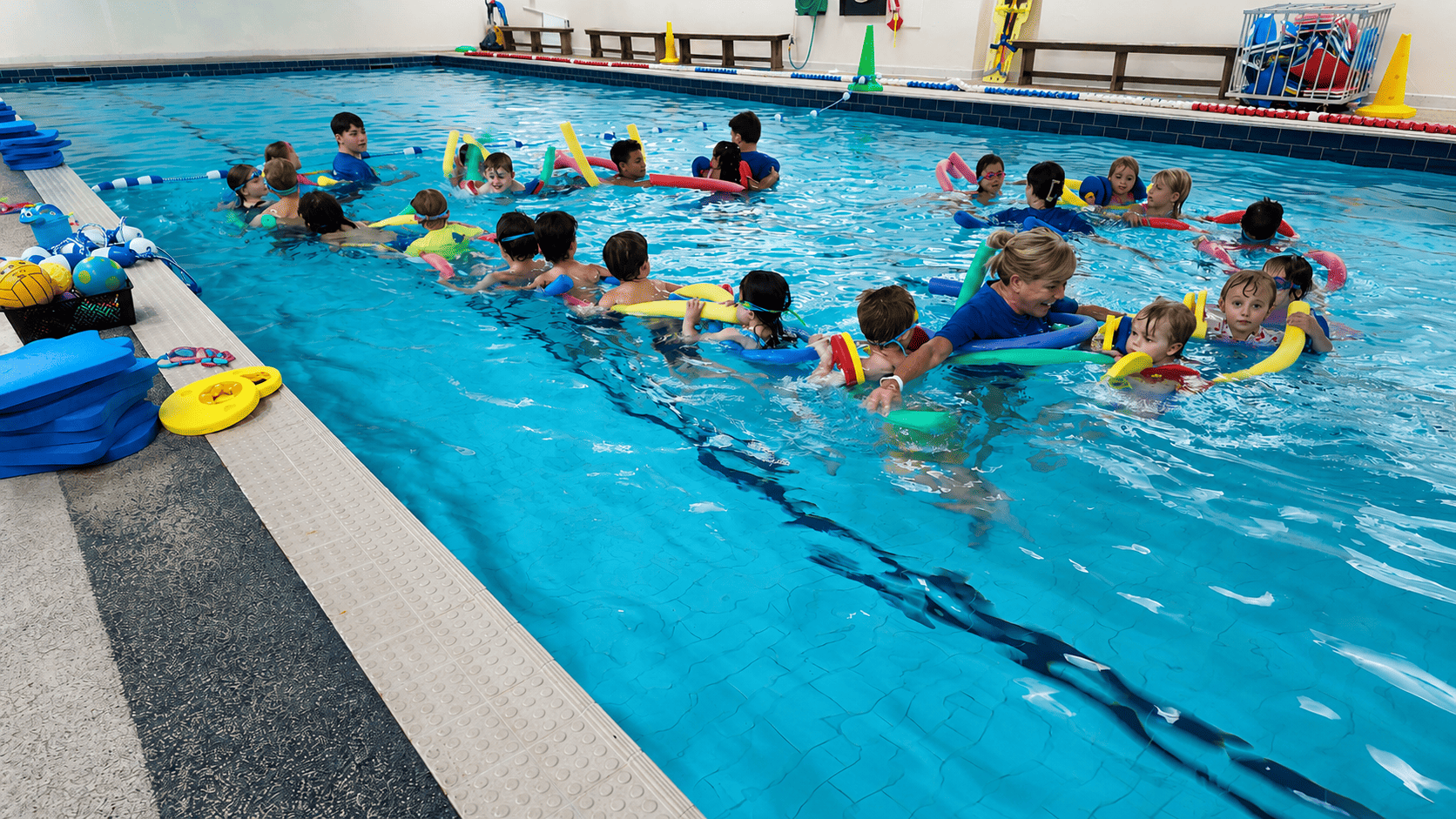
I have spent nine years teaching swimming, and most of those years have been spent in the water rather than beside it.
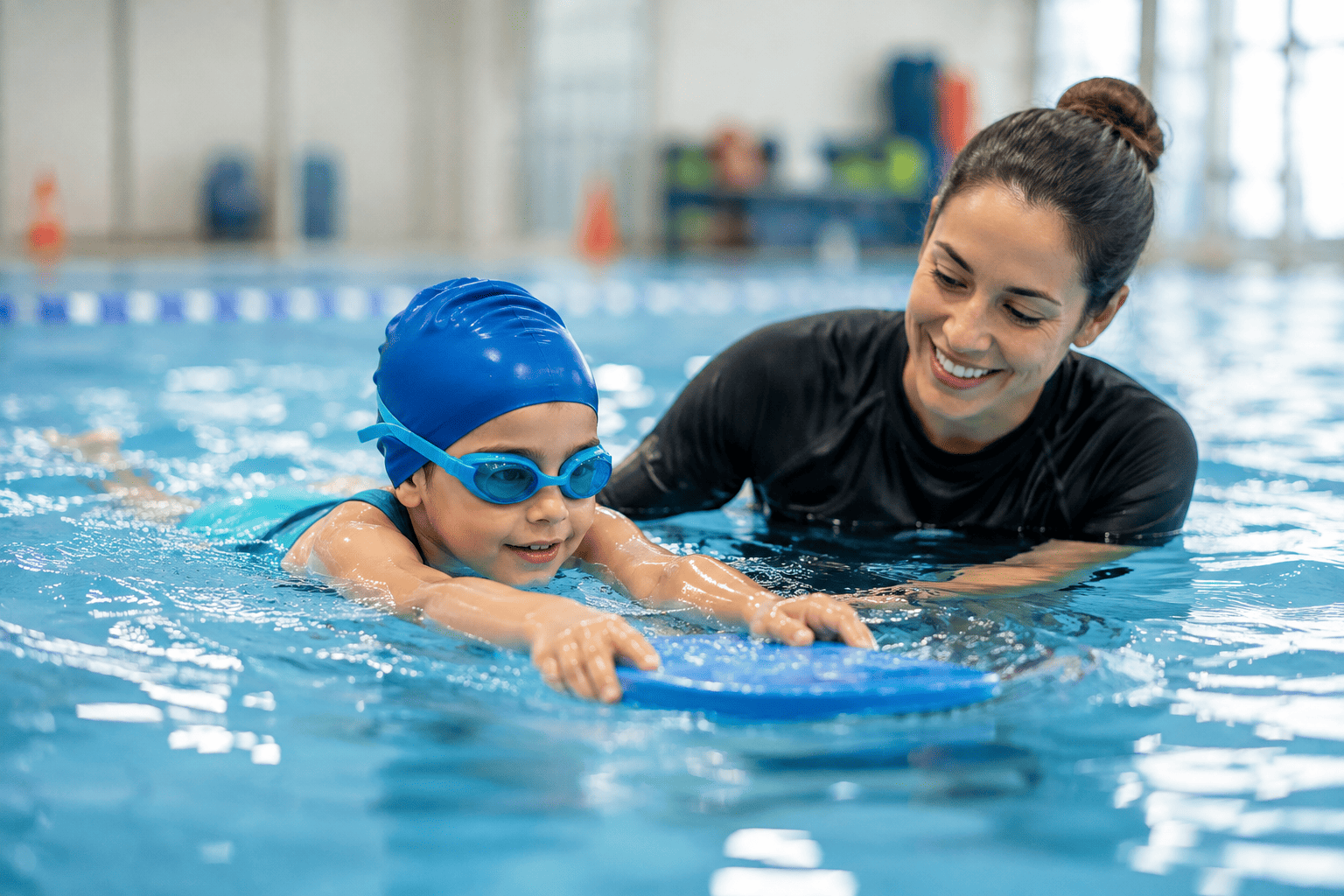
Which means I have had a slightly unusual view of the swimming lesson. Not the view you get from a bench, with a coffee going cold and a towel over your arm. The view from chin height, looking up.
And from down there you notice something parents almost never get to see. You notice yourselves.
Let me say clearly, before I go any further, that none of what follows is a criticism. Parents on the poolside are doing a hard thing. You are standing in thirty degrees of heat, often holding a younger sibling, watching your child attempt something that looks mildly dangerous from a distance. If I were standing where you are standing, I would want to help too.
But over nine years I have come to believe that what happens on the poolside has far more influence on a child’s swimming than most parents realise. Occasionally more than the lesson itself.
Here is what I have learnt.
Your Child is Watching You More Than You Think
Watch a nervous child just before a hard skill. Almost every one of them looks up first.
They are not looking for instructions. They are checking your face.
So when a child glances up mid-lesson and finds a worried expression, they do not think “my dad loves me and is feeling a bit anxious.” They think “this must be dangerous.”
The most useful thing your face can do during a swimming lesson is almost nothing. A nod. A small smile. Mild boredom, even. Boredom is a wonderful message. Boredom says: this is normal, you have got this, I am not concerned in the slightest.
Coaching From the Side Does Not Help. Even When You Are Right.
This is the point that will be least popular, so let me be direct about it.
When a parent calls out an instruction from the poolside, the child suddenly has two teachers. One of them is in the water and can see exactly what is happening to that kick. The other is six metres away, at a completely different angle, working from a lesson they can only half hear.
And even when the parent is right, and sometimes they are, the cost is the same. A child who is listening to you is not listening to their teacher. A child who lifts their head mid-length to find you has just lost their breathing rhythm, their body position and their line, all at once.
If you want to communicate something during the lesson, smile. That is the whole message. Everything else can wait for the car.
Be Careful What You Say Within Earshot
Children hear far more of the poolside conversation than we assume. Particularly the parts about themselves.
“She was in the level above at her old pool.”
“He really should be further along by now.”
“Her sister could swim a length at this age.”
These are ordinary things for adults to say to one another, and they are never said unkindly. But a child who overhears thirty seconds of it can carry that for a very long time. It can quietly undo a whole term of confidence work.
Ask Meaningful Questions in the Car
Try one of these :
- “What was the hardest thing you tried today?”
- “What are you working on at the moment?”
- “Did you enjoy it?”
The middle one is my favourite, and in my experience it is a remarkably good predictor. The children who can tell you what they are working on are almost always the children who progress fastest. Not because they are more able. Because they have understood that swimming is a series of small, specific things you get better at, rather than one big thing you either can or cannot do.
Trust the Weeks That Look Like Nothing Happened
Some lessons will look, from the poolside, like a wasted half hour. Your child did the same drill they did last week. They did not swim any further. Nothing new appeared to happen.
Almost always, something did. It simply happened somewhere you cannot see it.
Learning to swim is not a straight line, and repetition is not the same as being stuck. A child practising the same skill for a third week is usually a child in the middle of making that skill automatic, which is the entire point of the exercise. The skills that hold up in an emergency are the ones a child no longer has to think about.
The visible jumps get all the attention. The invisible weeks are what make them possible.
The Part You Play
You are not a spectator at your child’s swimming lesson. You are part of it, whether you intend to be or not.
The good news is that your part is not remotely demanding. Sit down. Look unbothered. Keep the coaching to yourself. Ask a better question on the way home.
That really is most of it.
– Cory Abrahams, Founder, Water Creations Swim Academy
https://wcsacademy.co.uk/
#SwimmingLessons #ParentingTips #ChildDevelopment #WaterSafety #LearnToSwim #WaterCreationsSwimAcademy